


-

Add: HeBei ShengShi HongBang Cellulose Technology CO.,LTD.
-

Email
13180486930@163.com -

CONTACT US
+86 13180486930




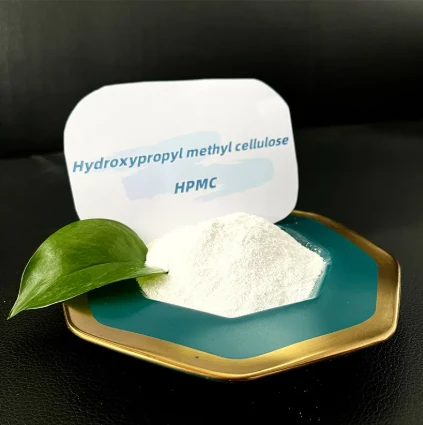
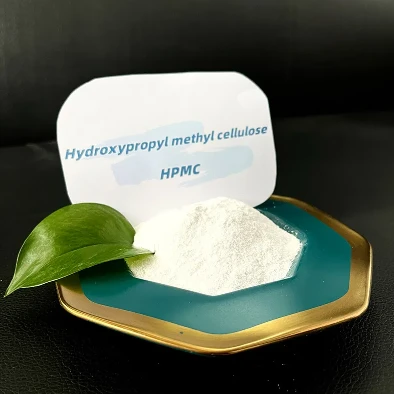
Hydroxypropyl methylcellulose (HPMC) K4M is a versatile polymer extensively utilized across numerous industries due to its functional properties. As an experienced Google SEO specialist, one must understand the intricate ways in which content centered around HPMC K4M can be optimized for search engines by emphasizing the Experience, Expertise, Authoritativeness, and Trustworthiness of the provided information. Here’s an insightful exploration of HPMC K4M’s uses, expertly crafted to highlight its various applications and benefits. HPMC K4M, a chemically modified cellulose gum, is renowned for its superior water-retaining capabilities, making it an indispensable ingredient in the construction industry, particularly in products such as tile adhesives, cement renders, and joint compounds. Its unique property of enhancing water retention helps in extending the workability time and significantly improves the performance of such products. Experts have shown that the inclusion of HPMC K4M in these materials optimizes their adhesion properties, ensuring more reliable and durable construction outcomes. In pharmaceuticals, HPMC K4M serves a cardinal role due to its non-toxic and inert characteristics. Its application in controlled release formulations underscores its importance, offering a sustained release mechanism crucial for various oral dosage forms. With a meticulously controlled viscosity, HPMC K4M enables formulators to craft tablets and capsules that release active ingredients over a specified duration, thus maximizing therapeutic efficacy and enhancing patient compliance. The authoritative use of HPMC K4M in sustained-release matrix systems is a testament to its crucial role in modern drug delivery. The food industry also capitalizes on the functional attributes of HPMC K4M, using it as a stabilizer and emulsifier. This polymer is exceptionally valued for its ability to improve the texture and shelf-life of food products . For instance, its inclusion in bakery products, like gluten-free bread, aids in maintaining moisture and structural integrity, which would otherwise be challenging to achieve. Such practical applications showcase the trust manufacturers place in HPMC K4M to meet rigorous food safety and quality standards. Cosmetic manufacturers frequently utilize HPMC K4M for its film-forming and thickening properties. Its ability to create a transparent film over the skin makes it a preferred ingredient in lotions and sunscreens, providing hydration and protection against environmental stressors. Moreover, its compatibility with a wide range of skin and hair care formulations underscores its versatility and reliability. Professionals in the cosmetic field trust HPMC K4M for its hypoallergenic and non-irritating properties, ensuring user safety and satisfaction. hpmc k4m uses The growing use of HPMC K4M in personal care products highlights its role in the formation of hair gels and styling agents, attributing to its thickening and holding capabilities. By providing an optimal balance between viscosity and flexibility, HPMC K4M allows for innovative formulations that cater to diverse consumer needs. The persistent trust in HPMC K4M by hair care experts and its verified efficacy reinforce its esteemed position in this competitive market. In manufacturing, HPMC K4M is extensively applied as a binder in paints and coatings. Its viscosity optimizes the rheological properties of paints, offering superior spreadability and finish. It enhances pigment suspension, preventing settling and ensuring uniform color distribution. Such reliable performance data decidedly positions HPMC K4M as a staple in improving the quality and durability of paints, thus establishing its paramount importance in manufacturing processes. To further epitomize HPMC K4M’s credibility, numerous authoritative research studies corroborate its efficacy and safety across applications. By consistently retaining moisture, providing controlled drug release, stabilizing food textures, and enhancing product performance, HPMC K4M demonstrates a multi-industry versatility that demands acknowledgment. In conclusion, HPMC K4M’s multifaceted applications across various sectors exemplify its indispensability and the trusted confidence placed in this polymer by industry professionals worldwide. Its proficient functionality in enhancing product performance confirms its role as an invaluable component in formulation science. Such comprehensive use and reliance emphasize the polymer’s unmatched potential and innovative prospects, marking it as a pivotal material in both current and future applications. Therefore, content strategy focused on the robust capabilities and diverse uses of HPMC K4M will be well-received, optimizing its searchability and authority across digital platforms.
- 40000tons

Production
- 20+years

Experience
- 5000+㎡

Acreage

-

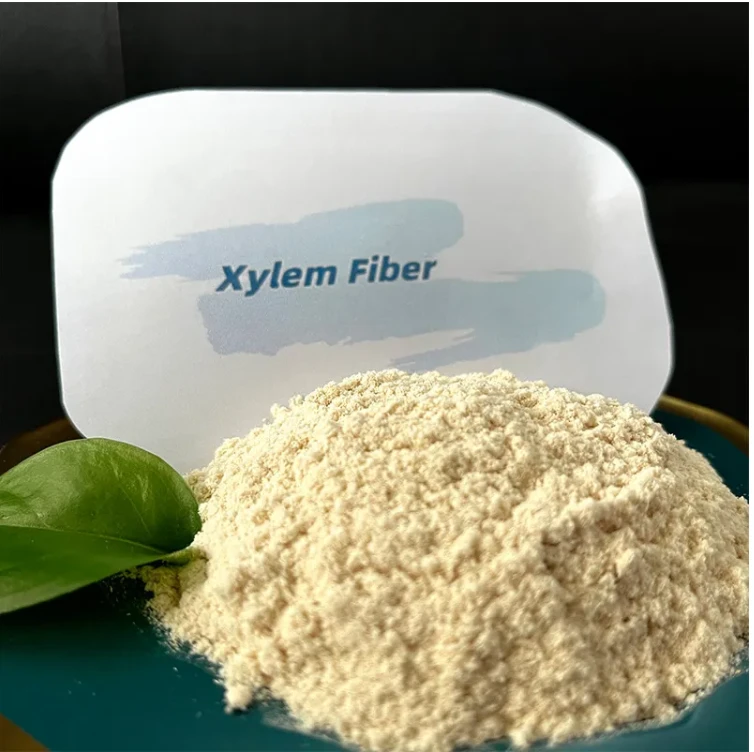
When we think of wood, we often focus on its structural properties, such as strength and durability. But did you know that much of that strength comes from its composition, specifically cellulose? Cellulose made from wood is the key material that allows wood to hold its form and function effectively in countless applications. Understanding its components— cellulose , hemicellulose , and lignin —helps to explain the unique properties of wood that make it an essential resource for industries ranging from construction to manufacturing. Fibre Made from Wood Pulp Wood pulp, a primary source of cellulose , is the base material used in the production of many everyday products, including paper, textiles, and construction materials. Fibre made from wood pulp is rich in cellulose, which is extracted from the wood through various chemical and mechanical processes. This fibre, once processed, has diverse applications in industries such as packaging, paper-making, and even the production of insulation materials for buildings. The purity and strength of cellulose from wood make it a critical material in the manufacturing of fibreboard, composite wood panels, and other building materials used in construction. Wood pulp fibre is processed using various methods, including chemical pulping or mechanical grinding. This process removes the non-cellulose components of wood, such as lignin and hemicellulose, which are less useful in certain applications. The resulting cellulose fibres can be refined and used to create products with enhanced durability, ideal for use in the construction industry. The strength, stability, and biodegradability of wood pulp fibres make them an environmentally sustainable choice for manufacturers looking for natural materials in their production processes. Cellulose, Hemicellulose, and Lignin in Wood Wood is composed of three main components: cellulose , hemicellulose , and lignin . Understanding these components is key to unlocking the potential of wood in construction and manufacturing. Cellulose is the most abundant organic polymer in nature, providing strength and rigidity to the cell walls of plants. It is the primary component used in the creation of fibre and pulp for products such as paper and insulation. Hemicellulose is another important polysaccharide found in wood. It acts as a binding agent that holds cellulose fibres together. Although it’s not as structurally strong as cellulose, it plays a critical role in the overall integrity of the wood. In construction, hemicellulose can be broken down and processed to create biofuels or other valuable materials. Lignin , on the other hand, is a complex polymer that gives wood its hardness and resistance to decay. It acts like glue that holds the cellulose fibres together, giving the wood its rigidity and strength. In the construction industry, lignin is valuable for its ability to withstand weathering and physical wear, making it an essential component of high-quality timber. Together, these three components— cellulose , hemicellulose , and lignin —create the natural strength and versatility that makes wood such an important material for a variety of applications. Cellulose Wood Putty Another interesting application of cellulose from wood is in the production of cellulose wood putty . This product, used in construction and home improvement, is a type of filler used to repair and smooth wood surfaces. Cellulose wood putty is made by processing cellulose into a fine, putty-like consistency that can fill in cracks, holes, and imperfections in wooden structures. Its primary advantage is its ability to bond well with wood, providing a seamless repair that blends naturally with the surrounding material. Unlike traditional putties, which may rely on synthetic polymers or resins, cellulose wood putty is made from natural materials, making it an eco-friendly choice for homeowners and builders alike. It is particularly useful in restoring old furniture, wooden floors, or construction beams, where maintaining the wood’s natural appearance and texture is essential. The cellulose wood putty hardens over time, creating a durable and long-lasting repair. The versatility of cellulose in various forms, from raw pulp to putty, showcases the remarkable adaptability of this material in the construction and woodworking industries. The Versatility of Cellulose in Construction The uses of cellulose made from wood extend far beyond just fibre and putty. In the construction industry, cellulose is increasingly being used in the creation of sustainable building materials. From insulation to composite boards, cellulose is known for its insulating properties, helping to reduce energy consumption in buildings. Cellulose insulation is a popular choice for eco-conscious builders, as it is made from recycled paper products and wood fibres, offering a natural alternative to foam or fiberglass insulation. Additionally, the growing trend of sustainable construction has led to the development of cellulose-based biocomposites , which combine cellulose with other materials like bioplastics to create eco-friendly alternatives to traditional building materials. These materials are not only strong but also lightweight, reducing the overall energy footprint of construction projects. Applications of Cellulose in the Modern Building Industry In the modern building industry, cellulose from wood plays a significant role in improving the sustainability and performance of construction materials. From providing insulation to enhancing the structural integrity of wooden beams and panels, cellulose has a wide range of applications in both residential and commercial construction. Wood-based cellulose products offer an environmentally responsible alternative to petroleum-based materials, helping to reduce the environmental impact of construction projects. Builders and architects are increasingly incorporating cellulose wood putty , wood pulp fibre , and other cellulose-based products into their designs. The material’s renewable nature, biodegradability, and strength make it ideal for use in everything from floors and walls to roofs and insulation. As the demand for sustainable construction grows, the use of cellulose made from wood will continue to expand, offering innovative solutions that benefit both builders and the environment. Cellulose FAQs What is cellulose made of in wood? Cellulose is a natural polymer made of long chains of glucose molecules. It is the primary structural component of plant cell walls and is responsible for the rigidity and strength of wood. How is cellulose used in the construction industry? In construction, cellulose is used in insulation, composite materials, and cellulose wood putty . It helps improve the sustainability and energy efficiency of buildings by providing natural insulation and repair materials. What is cellulose wood putty? Cellulose wood putty is a natural, eco-friendly filler made from cellulose . It is used to fill holes, cracks, and imperfections in wooden surfaces, providing a seamless and durable repair. Can cellulose be used for insulation? Yes, cellulose is commonly used as an insulation material in homes and commercial buildings. It is made from recycled paper and wood fibres, offering a sustainable and effective alternative to synthetic insulation. Why is cellulose considered eco-friendly? Cellulose is a renewable resource that comes from wood and plants. It is biodegradable, making it an environmentally friendly option for a variety of products, including construction materials, insulation, and putties. Invest in high-quality cellulose wood products today for sustainable building solutions that offer strength, durability, and eco-friendly benefits. Visit our website to explore our wide range of cellulose-based materials, from cellulose wood putty to wood pulp fibre , and discover how they can enhance your next project.
-

Rubber Powder Production Line Revolutionizing Material Recycling In an era where sustainability and waste reduction have become paramount, the rubber powder production line emerges as a pivotal innovation. This technological advancement not only addresses the environmental concerns posed by tire waste but also offers a plethora of industrial applications that extend beyond typical recycling methods. Understanding the Rubber Powder Production Line Rubber powder production lines are intricate systems designed to convert waste rubber, predominantly from used tires, into fine, reusable rubber powder. These systems stand out due to their technological sophistication, combining thermal and mechanical processes to ensure efficient recycling. From shredding and granulation to pulverization, each step is meticulously designed to maximize yield and quality. The Expertise Behind Rubber Processing The success of a rubber powder production line is highly contingent on the expertise behind its installation and operation. The process starts with shredding, where tires are meticulously cut into smaller, manageable pieces. This requires a deep understanding of machinery calibration to prevent equipment wear and ensure operational efficiency. It also involves precise control over temperature settings during the vulcanization reversal process, a stage where waste rubber is chemically treated to revert back to a malleable state. Professionals in the field leverage their profound knowledge to optimize these processes, thus boosting productivity while adhering to environmental standards. The importance of expertise is further accentuated when considering the diverse rubber compositions that necessitate tailor-made processing strategies to achieve uniform powder quality. Authoritativeness in Quality and Compliance Producing rubber powder that meets industry standards demands authoritative control over several variables. Quality assurance is paramount, with rigorous testing protocols conducted at various production stages; these encompass fineness, purity, and the absence of contaminants. Certification from recognized industry bodies provides a seal of credibility, assuring clients of the powder's suitability for diverse applications such as asphalt modification, sealants, and rubber products manufacturing. rubber powder production line Moreover, compliance with international regulations concerning environmental safety and industrial emissions reinforces the production line's authoritative stance in the market. Employing cutting-edge technologies like cryogenic grinding, which uses liquid nitrogen to achieve finer powder without thermal degradation, exemplifies the commitment to both innovation and compliance. Trustworthiness Through Sustainable Practices Trust in the rubber powder production line is built on a foundation of sustainable practices. Establishing a sustainable model not only enhances environmental value but also resonates with environmentally-conscious customers seeking reliable suppliers. The rubber powder production line addresses waste reduction by closing the loop in tire lifecycle management, transforming waste into a resource. Reliability is further demonstrated by consistent supply chains, timely deliveries, and transparent communication with stakeholders. By prioritizing sustainable operations, producers foster long-term relationships with clients who value ecological responsibility and ethical business practices. Innovative Applications and Market Expansion The rubber powder produced via these advanced lines opens new avenues in various industrial sectors . Its application in modified asphalt enhances road durability and resistance to wear, significantly extending infrastructure longevity. Additionally, it serves as a crucial component in the production of high-performance seals, gaskets, and shock absorbers, enabling manufacturers to enhance product quality. The versatility of rubber powder extends to the footwear industry, where it contributes to the production of sustainable soles that match the performance of traditional materials while reducing environmental footprint. As the demand for cost-effective and eco-friendly materials rises globally, the market potential for rubber powder is set to expand, offering lucrative opportunities for producers. Conclusion Embracing the Future The rubber powder production line stands at the forefront of industrial innovation, embodying the Experience, Expertise, Authoritativeness, and Trustworthiness principles. These systems not only exemplify advanced recycling technologies but also resonate with global sustainability objectives. As manufacturers and industries pivot towards more responsible practices, embracing the capabilities of rubber powder production lines will drive both environmental and economic benefits, paving the way for a sustainable future.
advantages
-

200000 Viscosities
Excellent product
We can produce pure products up to 200,000 viscosities
-

40000 tons
High yield
We don’t stop production all year round, and the annual output can reach 40,000 tons
-

24 hours
Quality service
We provide 24-hours online reception service, welcome to consult at any time
———— Inquiry Form
Schedule A services
-
 polypropylene_fibre
Oct . 25, 2025
Retarders in gypsum are pivotal components that serve to adjust the setting time of gypsum-based pro -
 macro_synthetic_fiber_price
Oct . 25, 2025
Acrylic fiber, a synthetic fiber made from a polymer called polyacrylonitrile, offers unparalleled v -
 hpmc_hs_code
Oct . 25, 2025
Exploring the Viscosity of HPMC A Unique Insight into its Applications and Benefits The world of add


